Helping Families Navigate the Journey
Our blog helps families, caregivers, case managers, and community members navigate the world of APD services and residential care.
🎥 Watch the Full 57-Minute Talk →
APD vs. AHCA Medicaid Waiver... What's the difference?
Both agencies administer Medicaid in Florida, but they serve different populations and offer different types of care. Learn how APD and AHCA work together.

What Is the Agency for Persons with Disabilities (APD)? A Complete Introduction
APD is a Florida state agency dedicated to helping individuals with developmental disabilities and their families live as independently as possible.
Understanding APD Waivers: What They Cover & How to Apply
The iBudget Waiver is APD's primary program for funding essential services. Here's exactly what it covers and how to navigate the application process.

How to Apply for APD Services: A Step-by-Step Guide
Many families feel overwhelmed by the APD application process. We've broken it down into clear, actionable steps so you know exactly what to expect.

Who Qualifies for APD Medicaid Services? Eligibility Criteria Explained
APD has clear eligibility guidelines, and understanding them is the key to accessing life-changing services for your loved one.

APD Services List: What Support Is Available for Individuals & Families?
APD provides customized services that help individuals with disabilities develop independence, receive medical care, and integrate into their communities.

APD Medicaid Waiver vs Other Disability Programs: What's the Difference?
Florida has multiple Medicaid waiver programs. Here's a clear breakdown of who each one serves and how to access the right one for your family.

APD Medicaid Waiver vs. DCF: Which Program Best Supports Your Needs?
Both APD and DCF provide services to individuals with disabilities, but they serve different populations and offer distinct programs. Here's how to choose.

Common APD Application Mistakes & How to Avoid Them
Avoiding common mistakes can save months of delay. Here are the five most frequent errors families make — and exactly how to sidestep them.
Housing & Residential Support Through APD: What Are Your Options?
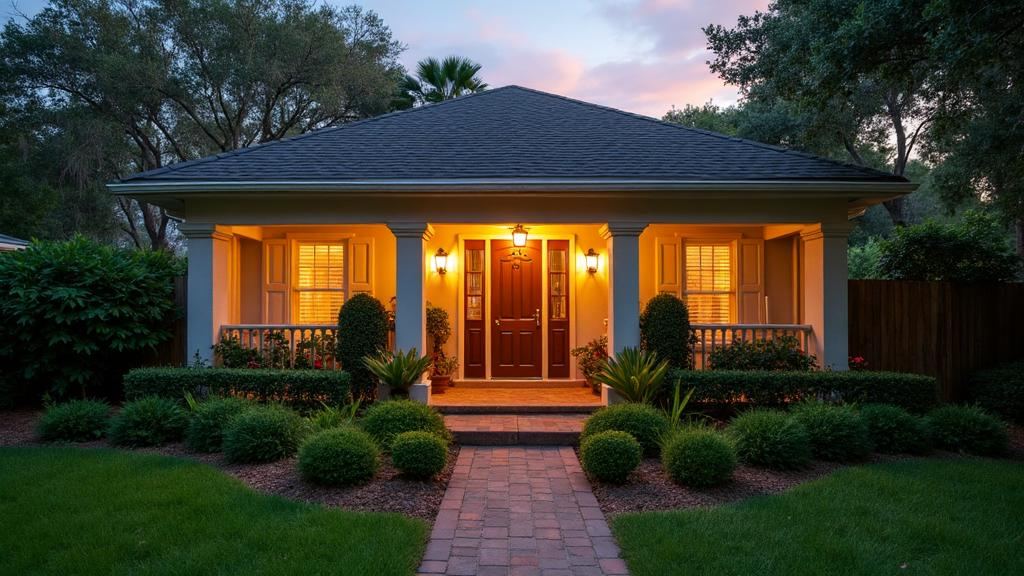
From supported living to group homes and residential habilitation centers, APD offers multiple housing paths for individuals with developmental disabilities.
What to Do If You're Denied APD Services (Appeals & Next Steps)
A denial isn't the end of the road. Many applicants successfully appeal and gain approval. Here are the exact steps to take — and what we've learned doing it for our own clients.
The Person Behind the Plan: What a Great Waiver Support Coordinator Actually Does for Your Family
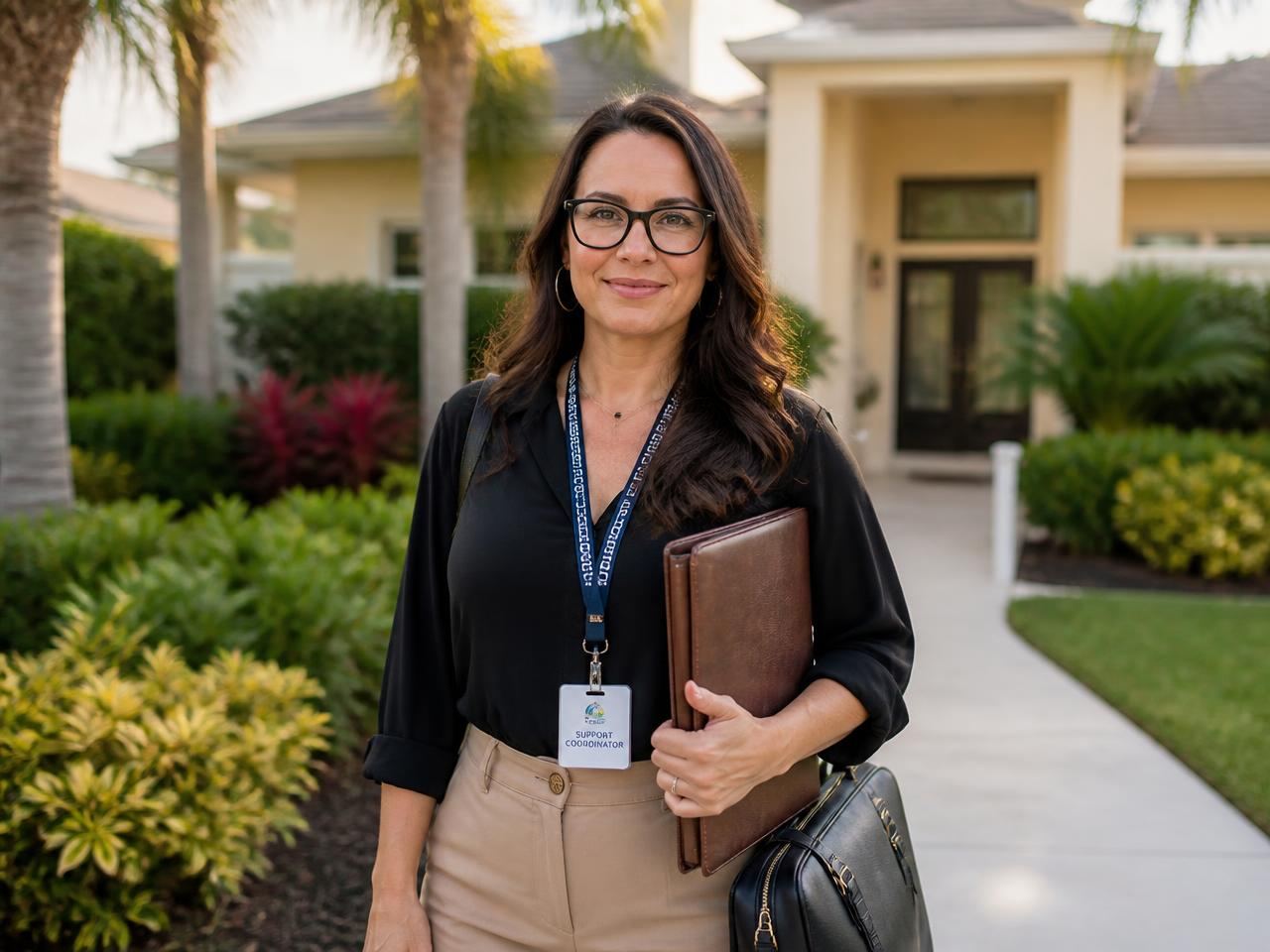
A good Waiver Support Coordinator is more than a paperwork manager — they're the person who keeps your family steady through every chapter of APD. Here's what that really looks like.

Financial Assistance & Grants for Disabled Adults
The cost of disability care can be overwhelming. But several financial aid programs can help — from SSI and ABLE accounts to grants for assistive technology and respite care.

Understanding the QSI Report: How It Affects APD Services and Eligibility
The QSI is the assessment that determines your priority ranking and how much APD funding you receive. Most families don't know it exists until it's too late to prepare.

Understanding SSI & SSDI: A Guide for Families and Individuals with Disabilities
SSI and SSDI are federal programs that provide financial support for individuals with disabilities. Here's who qualifies, how to apply, and what to do if you're denied.

Employment & Vocational Programs for People with Disabilities
APD's vocational programs focus on training, job placement, and ongoing support to help individuals with disabilities build fulfilling careers. Here's what's available.
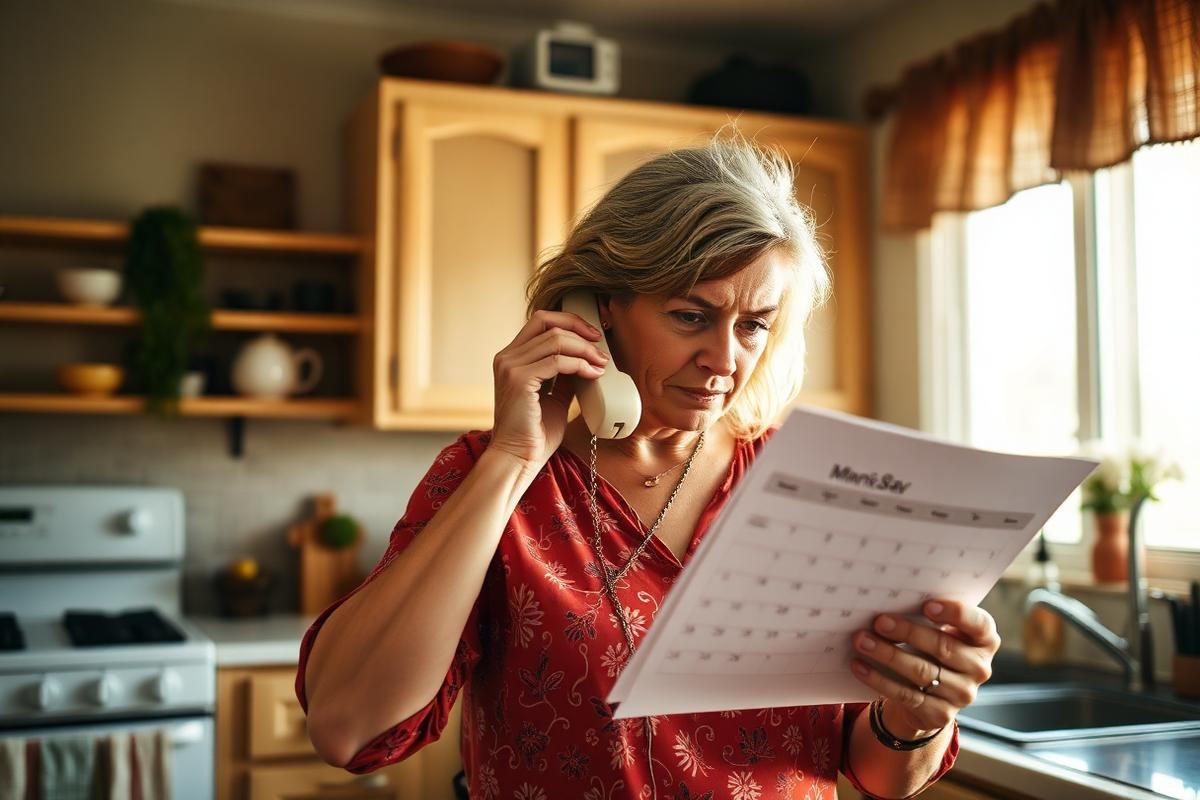
Why Florida Families Must Apply for the Medicaid Waiver NOW — Waiting Isn't an Option
Over 21,000 Floridians are on the iBudget waitlist. The average wait is 8.5 years. If your loved one has developmental or medical needs, the time to apply is today.

Florida Community Cares: A New Alternative to the iBudget Waiver?
With the iBudget waitlist exceeding 20,000 and average waits past 8 years, Florida Community Cares (ICMC) launched statewide October 1, 2025. Here's what families and providers need to know.

What Families Should Ask Before Choosing a Medical Group Home (Key Questions & Red Flags)
Choosing a group home is one of the biggest decisions you'll make. Here are the key questions to ask — and the red flags that should make you walk away.

How to Build a Robust Funding Packet That Gets Approved (Lessons from Real Case Studies)
Getting off the waitlist and into care depends heavily on the strength of your funding packet. Here's exactly what goes in one — and case study proof that it works.
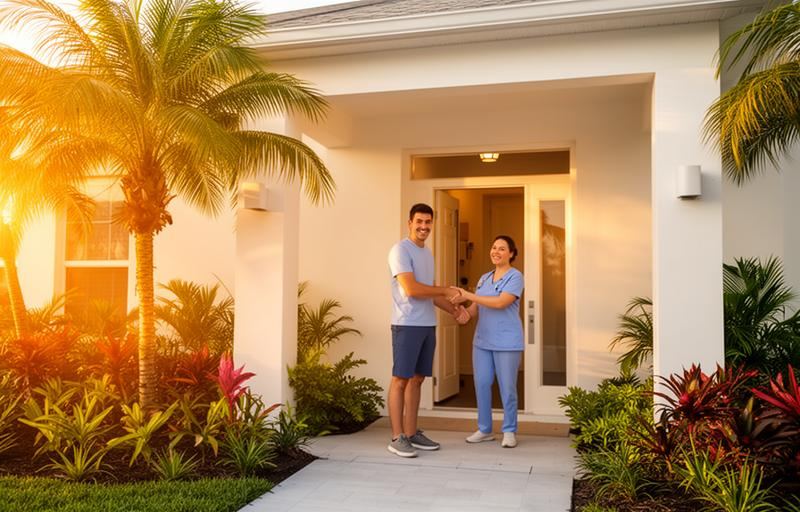
What to Look for in an Orlando Group Home: A Practical Guide for Families
Finding the right group home for a loved one with IDD is one of the most important decisions a family will ever make. This guide walks you through exactly what to look for.

How to Apply for an iBudget Waiver in Florida: A Step-by-Step Guide
The iBudget Waiver is Florida's primary Medicaid-funded program for IDD services. The waitlist has 40,000+ individuals. Here's how to apply and why the clock is already ticking.

What Does a DSP Actually Do? A Day in the Life at Audubon Gardens Group
DSPs are the backbone of every group home. This article takes you inside a real shift at Audubon Gardens Group and explains what separates average support work from exceptional care.
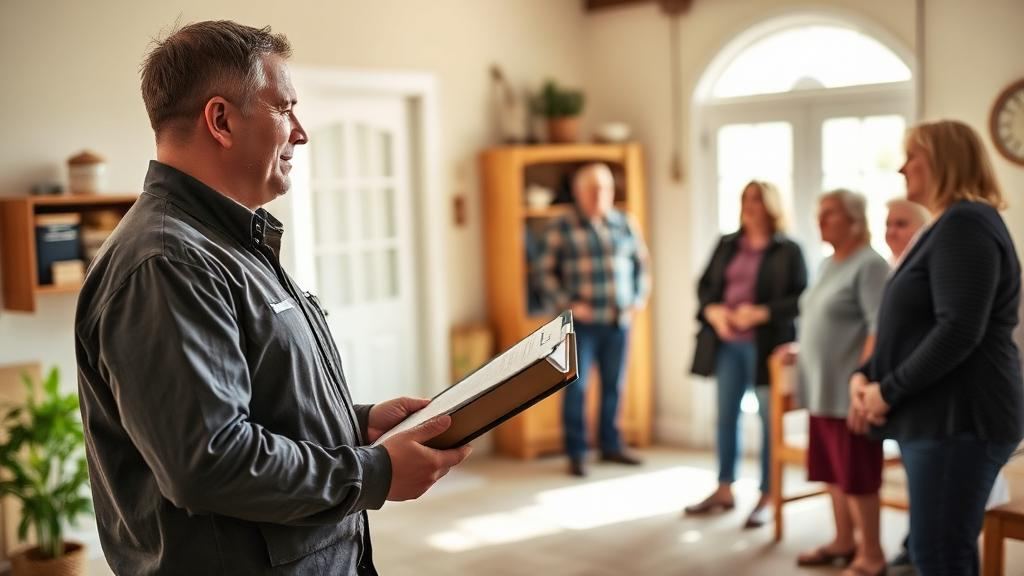
What Happens When APD Monitors Visit a Group Home?
When your loved one lives in a group home, one of the most reassuring things you can know is that someone is checking — regularly, in person, with specific standards that have to be met.

How Group Home Placement Works in Florida
If you're exploring group home placement through Florida's APD, the process can feel like a black box. Here's a clear look at how the referral and placement process works from start to finish.

Incident Reporting in Florida Group Homes
Knowing how the system works when something goes wrong — and what protections are in place — can give you confidence that your family member is in an environment where safety is taken seriously.

What Families Should Know About APD Pre-Enrollment aka "The Waitlist"
If you have a family member with a developmental disability in Florida, you may have heard the term 'the waiting list.' There is good news — and it is worth knowing.

Understanding Behavioral Services in Florida's APD System
If your loved one receives services through Florida's APD iBudget Waiver and has behavioral support needs, here's what behavioral services actually are, how they get approved, and what they look like in daily life.

Understanding Your Loved One's Residential Habilitation Level
The residential habilitation level determines what type of group home your loved one can be referred to, what level of support staff provide, and what resources the home is licensed to offer.
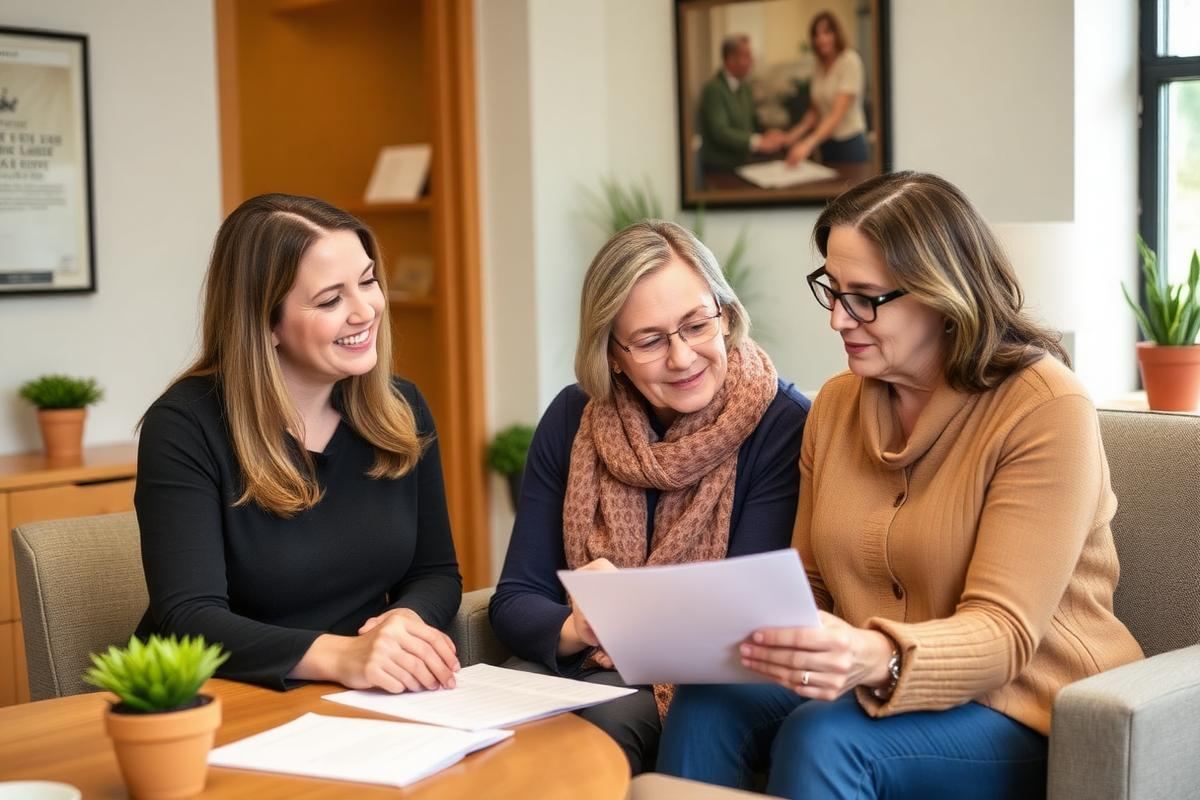
How to Find, Evaluate, and Get the Most Out of Your Waiver Support Coordinator
A practical, checklist-oriented guide for families new to APD: how to choose a Waiver Support Coordinator, what to ask, and how to get the most out of the relationship.

A Day in the Life at The Garden at Bennett
People often ask what a typical day looks like at The Garden at Bennett. The honest answer: it depends on the resident. That's not a dodge — it is the philosophy.

A Day in the Life at The Garden at Ibis: A Staff Perspective
What makes The Garden at Ibis different from a typical ALF or hospital? A staff member describes what it means to work in a home of six — and why the math changes everything.

Why I Came to Audubon Gardens Group
A staff perspective on what it means to care for people here — and why six residents, two clinicians, and a home that chooses carefully changes everything.
What the Medicaid Cuts Mean for Your Loved One's APD Services in Florida
If you have a family member enrolled in Florida's APD program, the Medicaid cuts moving through Congress are a direct threat to the care they receive today. Here is what families need to know.

The HCBS Waiting List Was Already 800,000 People. What Florida Families Need to Know.
Before Congress proposed cutting one trillion dollars from Medicaid, the waiting list for home and community-based disability services had already reached more than 800,000 people. The proposed cuts would dramatically worsen this crisis.

What Happens to a Group Home Resident If Medicaid Cuts Go Through?
It is the question families are afraid to ask out loud, so we are going to answer it directly. If the proposed trillion-dollar Medicaid cuts become law, what actually happens to the person living in a licensed group home in Florida?
She Raised Him Alone. Then She Got Her Life Back.
A mother's narrative of caring alone for her son with complex needs — and what changed when she found a residential placement built on respect, purpose, and compassion.

The Advocate in the Room: Why Nursing-Level Care Changes Everything
What it actually means to have a credentialed nurse in the residential setting — and why nursing-level oversight changes outcomes for medically complex adults under the APD iBudget Waiver.
The Words That Get You to Yes: A Florida Family's Guide to APD, ICMC, and the Services You're Entitled To
A field guide on respite, Personal Supports, crisis placement, and the vocabulary the Florida IDD system responds to.
Your Adult Child Has to Move: A Florida Family's First Steps
Told your adult child has to leave their placement? Here is what happens next, why it happens at 21, and the questions to ask before you tour a single home.
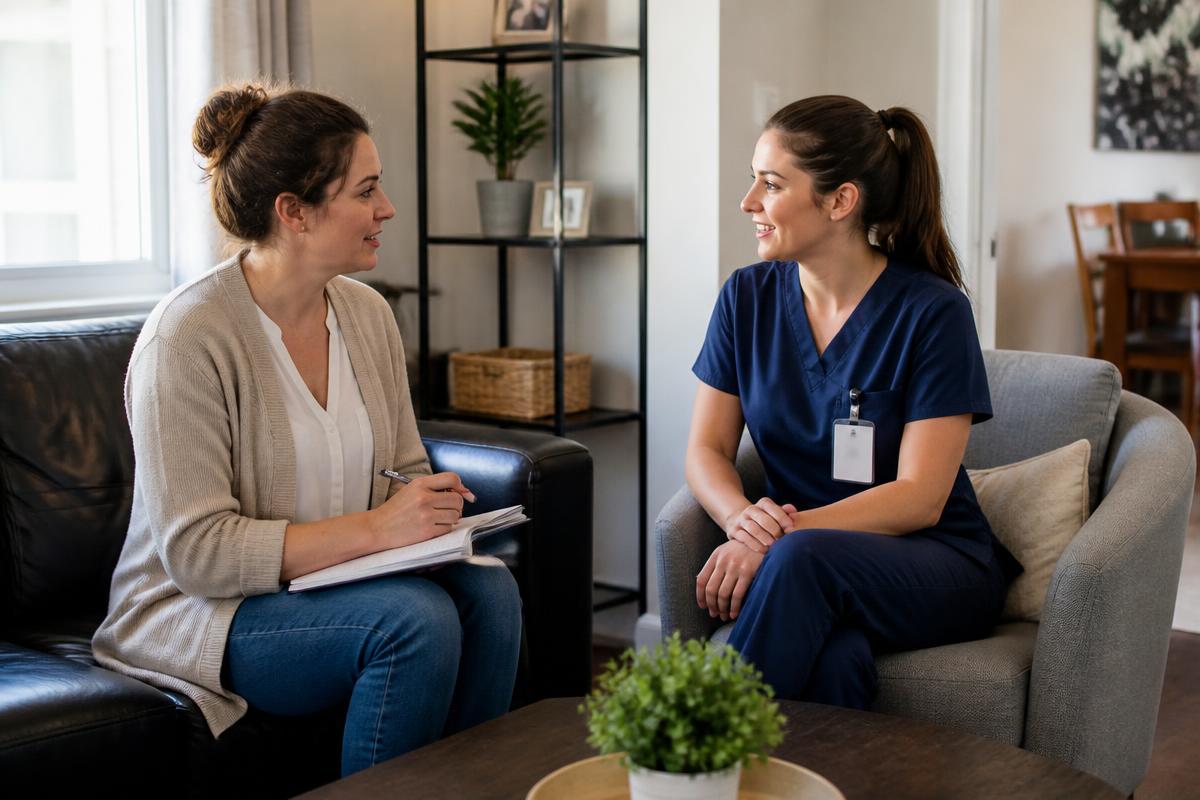
Start Before You Have To: Planning Ahead for Your Child's Move to Adult Care
If your child is a few years from turning 21, this is the window that decides how the transition goes. Here is what to do now, while nothing is urgent.