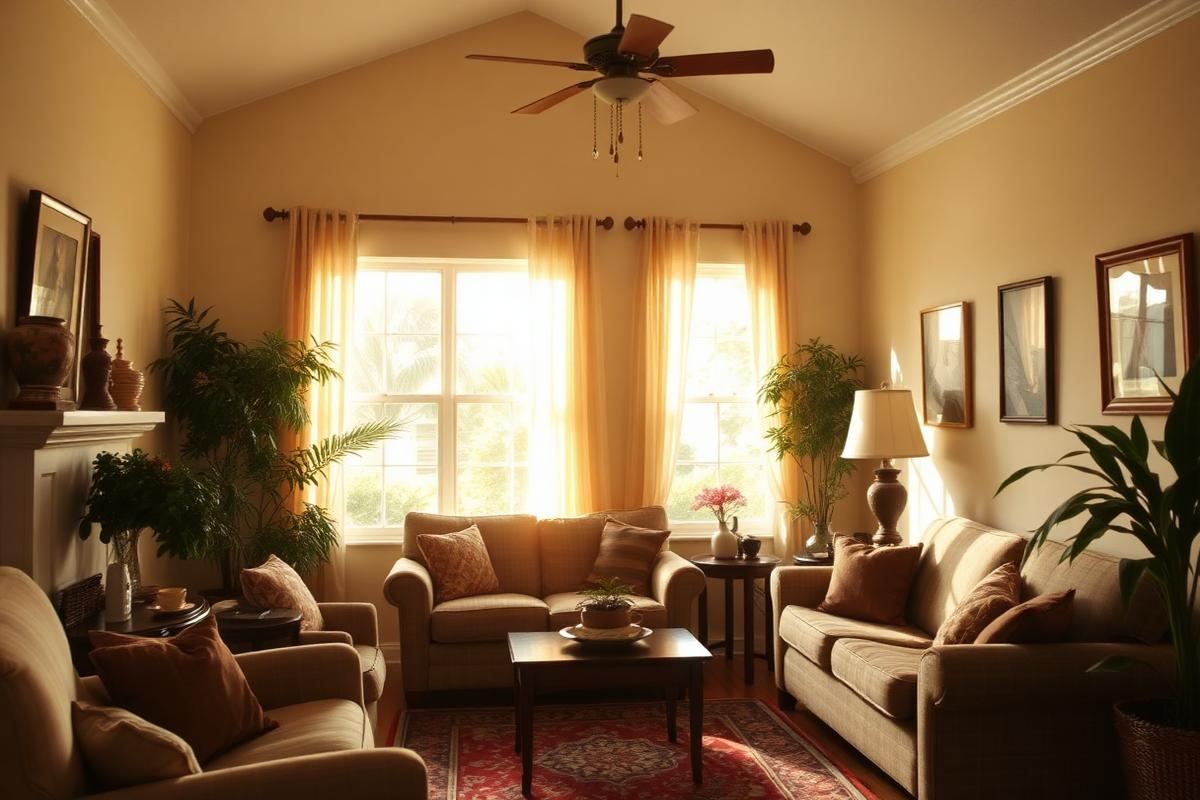
What Life Actually Looks Like for Our Residents
People often ask what a typical day looks like for someone living at The Garden at Bennett. The honest answer is: it depends on the resident. That's not a dodge — it is the philosophy. One of the things we believe most deeply at Audubon Gardens Group is that a person with complex medical needs deserves to have their day shaped by who they are, not by an institutional schedule designed for everyone and no one at the same time.
So let us tell you what a day at The Garden at Bennett actually looks like — not as a brochure, but as a real description of how the home functions.
Six Residents. Two Clinicians. Always.
The Garden at Bennett is a small home. Six residents live here. That number is deliberate — not a limitation, but a commitment. Every shift, a Certified Nursing Assistant (CNA) and a Licensed Practical Nurse (LPN) are present together. Not one or the other. Both. Around the clock, seven days a week.
In a larger facility, you might have one nurse for forty residents and aides covering entire wings. Here, two clinical staff members care for six people. The math matters — it means that when a resident needs something, someone is there. Not in a few minutes. Now.
The Only Thing That Runs on a Schedule
Ask any member of our staff what the daily schedule looks like, and they will tell you the same thing: the MAR runs on schedule. Everything else runs on the resident.
The MAR — Medication Administration Record — is the clinical foundation of the day. Our residents are medically complex adults. Many have multiple diagnoses, chronic conditions, and medication regimens that require precision. When medications are due, they are administered. On time. Every time. That is non-negotiable.
But outside of that clinical anchor, the day belongs to the resident. There is no 8am mandatory breakfast. No activity period that everyone must attend. No lights-out policy that treats adults like children. The structure exists to serve health and safety. It does not exist to impose uniformity on people whose lives are anything but uniform.
What the Morning Actually Looks Like
One resident is an early riser. She is up before the LPN's morning check-in, already in her chair, ready for the day. The CNA brings her medication at the right time, checks in on how she slept, helps her get ready at her own pace.
Another resident sleeps later. His care does not begin until he is ready for it to begin. His medications are administered on schedule — but his morning is his. There is no one standing at the door at 7am telling him the day has started without his permission.
The LPN on shift has already reviewed the night notes, flagged anything that needs follow-up, and checked vitals for anyone who had an overnight concern. This happens quietly, systematically, without disrupting anyone's rest.
The Middle of the Day
There is no mandatory activity calendar posted on the wall. What happens in the middle of the day at The Garden at Bennett is different for every resident, and it changes based on how they're feeling that particular day.
Some residents spend time in common areas. Some prefer the quiet of their own room. Some watch television, listen to music, or sit outside when the weather is right. Some receive visits from family members. When outside services are scheduled — a therapy appointment, a medical visit, a community outing — those happen. Transportation follows APD's safety protocols: headcounts before and after every trip, vehicle checks, no one ever left unattended.
Reading this because you are trying to work something out for someone you love? You can tell us about them at the bottom of this page. A real person reads every inquiry.
What the CNA and LPN are doing during this time is not passive. They are present. Observing. Noticing. In a home of six, you know your residents well enough to recognize when something is slightly off — a change in appetite, a shift in mood, a movement pattern that suggests discomfort. That recognition is clinical. It is also only possible when the ratio is small enough to allow it.
Evenings and Overnight
Evening medications run on schedule. Dinner is prepared and available when residents are ready for it. There is no cafeteria line, no tray delivered at a specified hour. The home operates like a home.
The overnight shift continues with the same staffing model — a CNA and LPN present through the night. For families of medically complex adults, this is often the question that matters most: who is there at 2am? The answer at The Garden at Bennett is the same as the answer at 2pm. Qualified clinical staff. Always.
What This Looks Like for Families
When your loved one moves into The Garden at Bennett, you are not handing them over to a system. You are placing them into a home that has agreed to know them — their rhythms, their preferences, their medical needs, their difficult days and their good ones.
You will be contacted when something significant happens. You are welcome to visit. The staff who care for your family member will be able to tell you, specifically, how they are doing — not because they read it in a chart, but because they were there.
That is what a day looks like at The Garden at Bennett. Not a schedule. A life.
Related Articles
- What Happens When APD Monitors Visit a Group Home? — How APD ensures quality and safety at every licensed home.
- How Group Home Placement Works in Florida — From referral to move-in day.
About Audubon Gardens Group
Audubon Gardens Group operates two licensed 24-hour nursing residential care homes in Orlando, Florida — The Garden at Bennett and The Garden at Ibis. We serve medically acute and complex adults under Florida's APD iBudget Waiver, providing not just care, but a life genuinely worth living.
Frequently Asked Questions
How many residents live at The Garden at Bennett?
Six. The Garden at Bennett is a small, licensed residential care facility with six residents. This small size is a deliberate choice that allows for individualized attention and the kind of relationship-based care that larger facilities cannot offer.
What clinical staff are present at The Garden at Bennett?
A Certified Nursing Assistant (CNA) and a Licensed Practical Nurse (LPN) are on shift together at all times — 24 hours a day, 7 days a week. This staffing model ensures that clinical needs can be identified and addressed at any hour.
Is there a set daily schedule for residents?
The only fixed schedule is the MAR — the Medication Administration Record, which governs when medications are administered. Everything else — wake time, meals, activities, rest — is individualized and responsive to each resident's needs and preferences on any given day.
Can family members visit?
Yes. Family visits are welcomed at The Garden at Bennett. If you have questions about visiting arrangements or want to schedule a tour, contact us at aggcares.com.
What happens if a resident needs medical attention overnight?
A qualified clinical team is present throughout the night on every shift. If a resident needs medical attention at any hour, staff are there to respond. For situations requiring emergency care, staff follow established protocols including contacting emergency services and notifying the family.
Explore More Resources
Tell Us About Your Loved One
Share where things stand and a member of our team will review your inquiry and reach out promptly.
🌐 Our team speaks English, Spanish, Haitian Creole, and Portuguese. We're here to help your family in the language you feel most comfortable with.
Get in Touch
Fields marked with * are required.