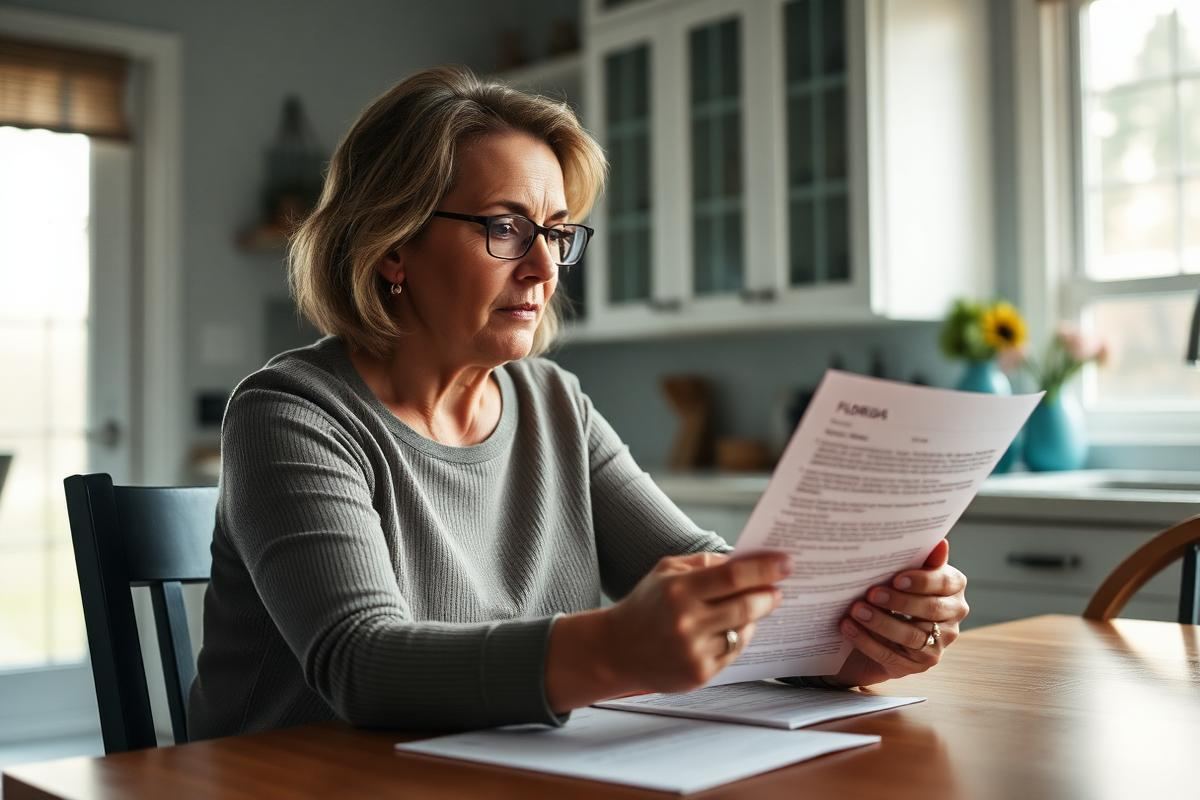
What Happens If Your APD Application Is Denied?
Denials can be frustrating, but they do not mean the end of the road. Many applicants successfully appeal and gain approval after submitting additional information or correcting errors.
Steps to Take If You're Denied
1. Understand the Reason for Denial
Carefully read the denial letter to determine why the application was rejected. Common reasons include lack of medical documentation, condition not meeting APD eligibility criteria, or application errors.
2. Request an Informal Review
Before filing a formal appeal, contact APD and request a review of your case. This may resolve minor issues quickly.
3. File a Formal Appeal
If the denial stands, you have the right to appeal through the Florida Office of Appeals Hearings. You must submit the appeal request within 30 days of receiving the denial letter.
4. Gather Additional Evidence
Obtain new medical evaluations, functional assessments, or expert letters supporting your claim. Work with a disability advocate or attorney if needed.
Reading this because you are trying to work something out for someone you love? You can tell us about them at the bottom of this page. A real person reads every inquiry.
5. Attend the Appeal Hearing
You will have the opportunity to present evidence and explain why you qualify for services. Bring documentation and be prepared to discuss how the disability affects daily living.
6. Explore Other Options While You Wait
While waiting for the appeal decision, look into other disability support programs — Medicaid services, school-based therapies, and community disability organizations.
Real-World Experience from Our Team
We here at Audubon Gardens Group and our clients are living, breathing proof that persistence pays off. On separate occasions, we have been denied funding and support services for our existing clients and have received new clients who were recently denied services through MCM Reviews (Medical Case Management) at the regional level and SANs Requests (Significant Additional Needs) at the state level — and we overcame those initial denials to deliver for our clients. If we can do it, so can you.
Frequently Asked Questions
What should I do if my application for APD services is denied?
Carefully review the denial letter to understand the specific reasons. Your first step should be to request an administrative appeal within the specified timeframe, typically within 30 days.
Can a support coordinator help with appealing an APD denial?
Yes, a knowledgeable support coordinator can be invaluable during an appeal. They can help you understand the denial reasons, gather necessary documentation, and advocate on your behalf.
What are the common reasons for APD service denials?
Common reasons include insufficient documentation to prove a qualifying disability, failure to meet residency requirements, or a determination that the individual does not meet the functional criteria for significant impairment.
Related Articles
Explore More Resources
Tell Us About Your Loved One
Share where things stand and a member of our team will review your inquiry and reach out promptly.
🌐 Our team speaks English, Spanish, Haitian Creole, and Portuguese. We're here to help your family in the language you feel most comfortable with.
Get in Touch
Fields marked with * are required.