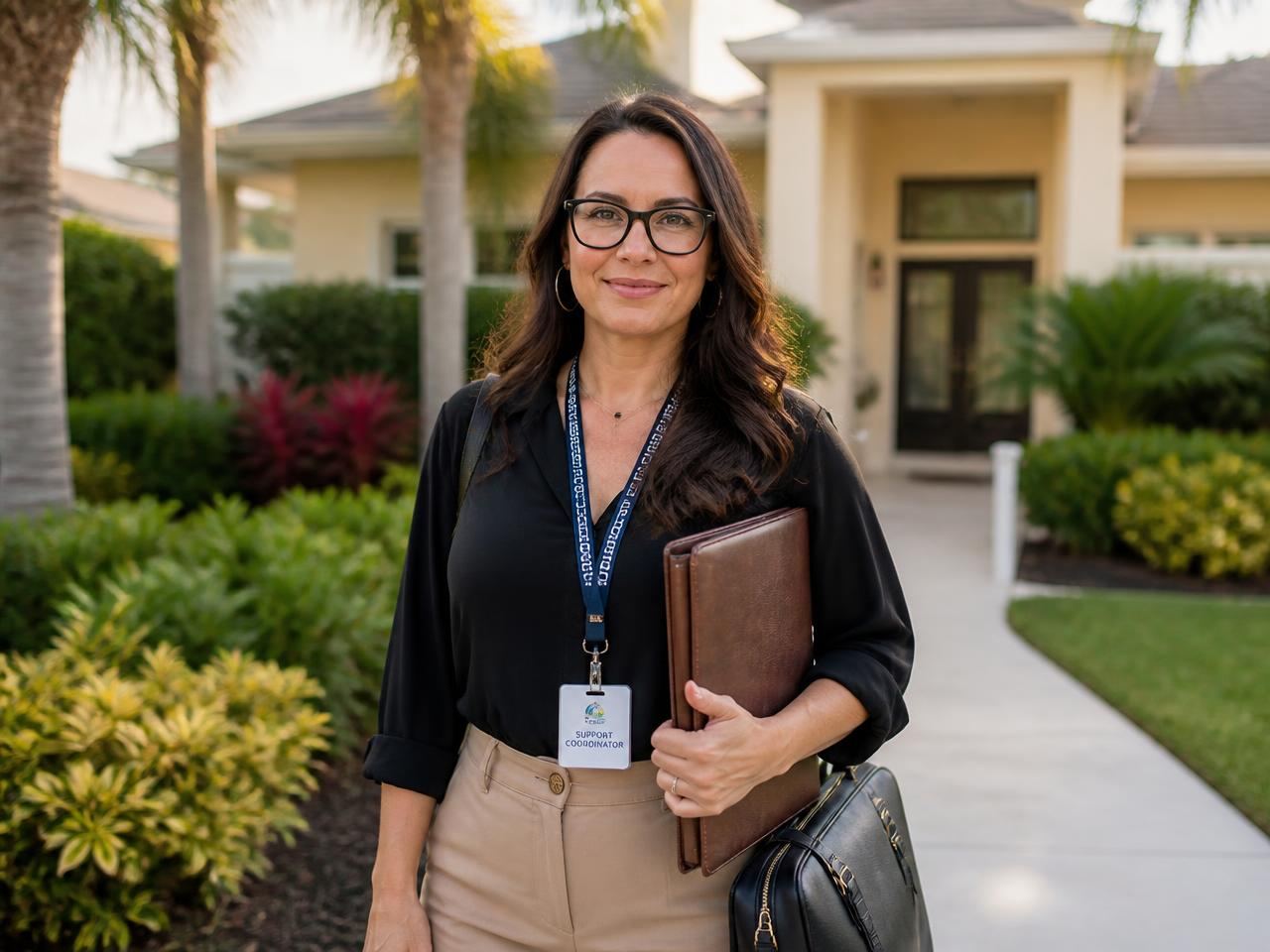
Why a Good Support Coordinator Matters
When Carlos was approved for APD services, he assumed everything would fall into place. However, his first support coordinator was unresponsive and didn't advocate for his needs. It took switching coordinators to finally receive the right services.
The current state of affairs for consumers seeking support through the Florida Medicaid Waivers is one of chronic underfunding and consistently overworked staff. Over time we have built a consistently positive and responsive relationship with APD — but I cannot stress enough the significance of having an informed, attentive, and invested waiver support coordinator. A good support coordinator is essential for getting the most out of APD services.
What Does a Support Coordinator Do?
A support coordinator acts as your advocate and guide through APD services. They help develop an individualized support plan (ISP), ensure you receive the right services (respite, personal care, therapy, etc.), monitor service quality and effectiveness, and navigate Medicaid waiver funding and renewals.
How to Choose the Right Support Coordinator
1. Check Credentials & Experience
Ask about their experience working with your specific disability, whether their existing client roster has members with similar care plans, and their experience with the specific services you are requesting.
2. Look for Strong Communication Skills
A good coordinator should be responsive, proactive, and easy to reach.
3. Ask for References
Speak to other families they've worked with. Also speak to providers (group homes, assisted living, adult day training) for their existing clients — providers often have a different awareness of a coordinator's effectiveness and can guide you toward those with more tact and skill.
4. Trust Your Instincts
If a coordinator doesn't seem invested in your needs, request a change through APD.
5. Ensure They Know the Waiver Inside Out
Ask about their experience submitting SANs requests (Significant Additional Needs) and MCM reviews (Medical Case Manager Reviews). These are the tools that unlock additional funding when standard allocations fall short. Just as important, ask whether they have experience with the variance process and with pushing back against the agency's initial review of a support plan when that review is misaligned with your family's preferred outcome. A coordinator who knows how to document, escalate, and respectfully challenge a first determination is the difference between a plan that meets your loved one's needs and one that simply meets the agency's default.
Reading this because you are trying to work something out for someone you love? You can tell us about them at the bottom of this page. A real person reads every inquiry.
Be Honest About the System You Are Entering
Florida's system is disjointed and difficult to navigate. Rules shift, regional practices differ, funding is tight, and information that was accurate last year may be wrong today. That is not a reason to lose hope, but it is a reason to go in clear-eyed: this will not be easy, and a great many of the people tasked with supporting your family will fall short of what your loved one needs. Some of that is individual, and much of it is structural. Caseloads of thirty to forty families or more mean that even committed coordinators let things slip.
This is exactly why discernment matters so much. There is a real group of coordinators who are skilled, current, and genuinely invested, and finding one of them changes everything. Your job is to tell them apart from those who are poorly equipped, and the only reliable way to do that is to gather multiple data points rather than relying on any one person's word.
Get Multiple Data Points, Not One Opinion
Tenure is not the same as accuracy. A coordinator with fifteen years in the field may be operating on outdated guidance through no fault of their own, given how many program changes occur each year. Before you settle, talk to other families, talk to providers, talk to advocacy groups, and compare what you hear against what APD publishes directly. When two sources disagree, keep asking until you understand why.
Then stay involved. Person-centered planning, written follow-ups after every meeting, and routine check-ins are what keep a plan on track between annual reviews. Family oversight is not a sign of distrust; it is the safeguard the system itself does not provide.
Finding the right coordinator can make or break your APD experience. Don't be afraid to advocate for the best support possible.
Frequently Asked Questions
What does a support coordinator do for individuals receiving APD services?
A support coordinator helps individuals with IDD and their families navigate the Florida APD system. They develop individualized support plans, connect families with services, monitor progress, and advocate for the individual's needs.
What questions should I ask when choosing an APD support coordinator?
Ask about their experience with the iBudget waiver, their caseload, communication style, knowledge of local resources (like group homes), and their advocacy approach. It's important to find someone who understands your family's unique needs.
Why is it important to have an effective support coordinator?
An effective support coordinator can significantly impact your access to and quality of APD services. A skilled coordinator can streamline processes, identify suitable providers, and ensure all waiver funds are utilized effectively.
Related Articles
Explore More Resources
Tell Us About Your Loved One
Share where things stand and a member of our team will review your inquiry and reach out promptly.
🌐 Our team speaks English, Spanish, Haitian Creole, and Portuguese. We're here to help your family in the language you feel most comfortable with.
Get in Touch
Fields marked with * are required.