About This Home
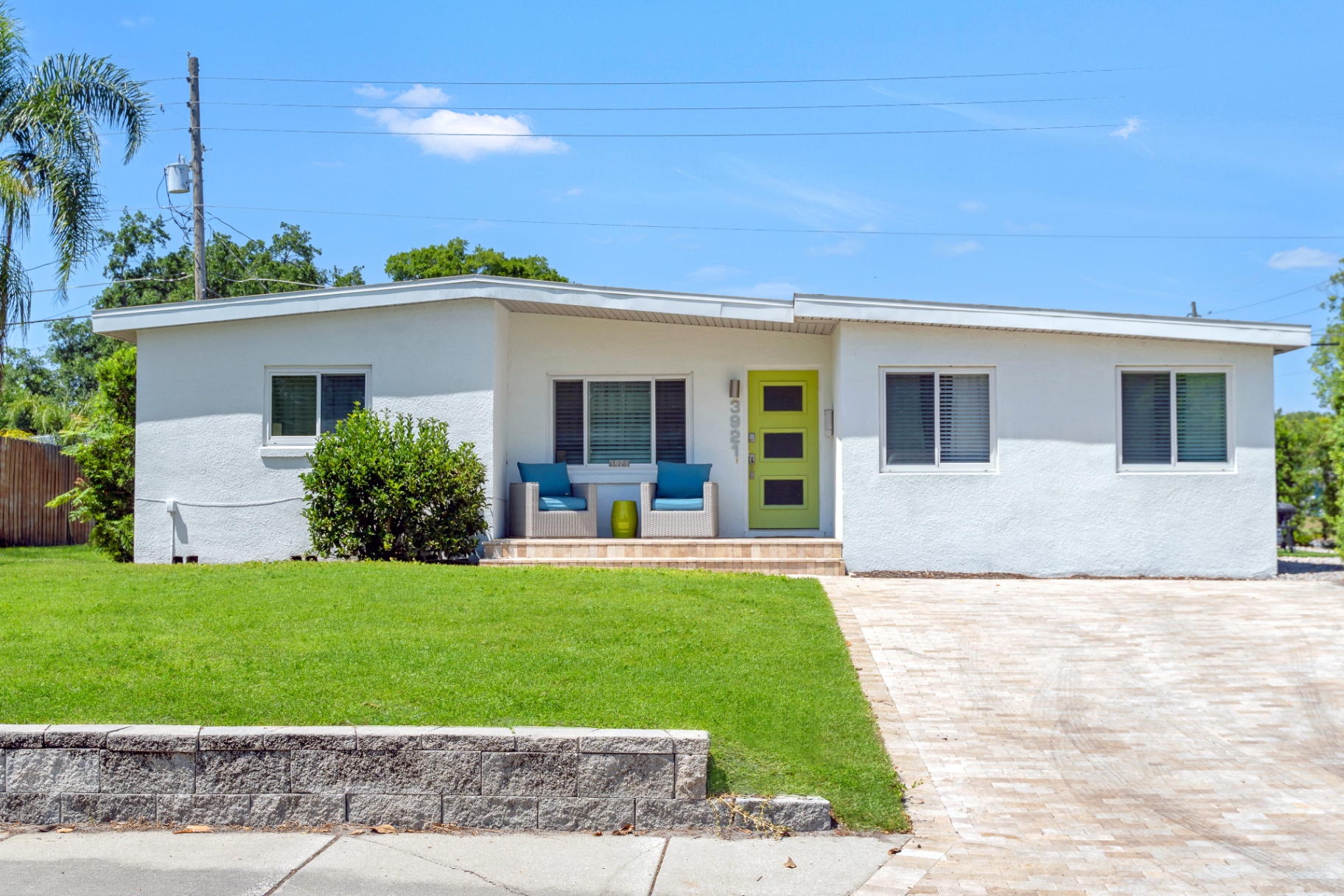
The Garden at Ibis is the second home operated by Audubon Gardens Group, established in 2025. Located in Orlando's Audubon Park neighborhood, it follows the same care model that defines The Garden at Bennett, small-home, high-acuity, clinically staffed residential care.
Like Bennett, every shift at The Garden at Ibis is staffed by a CNA and an LPN working together. Six residents. Two clinicians. The math that makes relationship-based care possible.
The Garden at Ibis accepts residents through Florida's APD iBudget Waiver and the Florida Community Cares (ICMC) program.
What Makes Ibis Different
Services Provided
We Routinely Support
Our team is equipped to care for adults whose medical needs are often beyond the scope of ordinary residential settings.
Location
Located in the Audubon Park neighborhood of Orlando, Florida, a quiet, established residential community close to The Garden at Bennett. The proximity allows Audubon Gardens Group to operate as an integrated care network.
For directions or to schedule a visit, contact us at (689) 777-2892 or info@AGGCares.com.
Current Availability
The Garden at Ibis has capacity for four more residents, with nursing coverage already staffed at full complement.
We welcome inquiries from families and Waiver Support Coordinators seeking placement for adults with intellectual and developmental disabilities.
Inquire About AvailabilityWho The Garden at Ibis Is Designed to Serve
Most families who reach us have already been told no somewhere else.
The Garden at Ibis serves adults with intellectual and developmental disabilities whose medical needs are significant enough that ordinary residential homes cannot safely support them. That usually means someone who needs nursing care around the clock, not a home that can call a nurse when something goes wrong.
The residents we serve most often are non-ambulatory or wheelchair dependent, many of them non-verbal or communicating in ways the medical system is not built to hear. We support residents with feeding tube dependence, respiratory needs including scheduled treatments and overnight oxygen, wound care, catheter care, bowel and nutrition protocols, seizure management, and the layered chronic conditions that tend to travel with a lifelong disability.
Ibis also serves residents whose needs are supported through residential habilitation without 24 hour nursing. A home staffed for high acuity can comfortably hold someone who needs less, and there is real benefit to living in a household where nothing is improvised.
Some of our residents come to us with behaviors. We work with that, and we are usually able to help someone reach a steadier baseline once their medical picture is stable and their days become predictable. We want to be honest that behavior support is not the center of what we do. If your loved one's primary need is behavioral rather than medical, there are homes built specifically for that, and they will serve them better than we would.
Our purpose is to keep your loved one alive, comfortable, clean, cared for, and out of the hospital. Everything else sits on top of that.
If you are not sure whether your loved one is a fit, call and ask. We will tell you honestly, including when the answer is no.
What Daily Life Looks Like
Days here are steady on purpose.
For a medically complex adult, predictability is not a comfort feature. It is clinical. Consistent wake times, consistent medication timing, consistent people, consistent meals. Stability is what allows staff to notice that today looks slightly different from yesterday, and noticing early is most of what keeps someone out of an emergency room.
Mornings begin with personal care, grooming, and medications administered and documented on the medication administration record. Feeding, whether by mouth or by tube, follows each resident's own schedule. Respiratory treatments, wound care, repositioning, and therapies happen at their appointed times through the day rather than whenever there is a gap.
We bring as much care into the home as we can. Primary care physician visits happen here. Labs and imaging are done on site where possible. Specialist coordination, pharmacy, and equipment all run through us. Every trip we do not have to take is a trip that does not exhaust your loved one or expose them to something.
Afternoons are quieter. Rest, music, television, time in the common areas, time with the staff who know them. On good weather days a resident may go with an aide to the park nearby.
Evenings wind down the same way each night. Dinner, evening medications, personal care, and bed. Overnight, staff are awake and present, not on call.
Weekends look much like weekdays, with fewer appointments and more unstructured time. That sameness is deliberate. It is what a body that has been through a lot needs in order to settle.
Because Ibis is not yet full, there is something here that is rare in residential care and worth naming: a household still forming, with room in it. A resident moving in now is not slotting into a fixed routine. The routine is being built around them.
Our Staffing Model
There are two staff in the home at all times. One licensed practical nurse and one certified nursing assistant, on twelve hour shifts, twenty four hours a day, every day of the year. There is no window in which nursing is unavailable and no overnight stretch covered by someone who has to call for help.
That level of coverage is in place at Ibis now, with fewer residents than the home is licensed for. We staffed the home fully before filling it, on purpose, because a household that is figuring out its staffing while residents are moving in is a household where things get missed.
For a home with a maximum of six residents, this ratio is the entire point. It is what makes it possible for the same people to know the same residents well enough to notice a change in breathing, in color, in appetite, in mood, before it becomes an emergency.
Clinical oversight comes from our registered nurse manager, with our administrator involved directly in care coordination rather than at a distance. Antoinette attends appointments. She is present for hospital visits. That is unusual for an owner and it is a choice.
Continuity of staff matters as much as ratio. A resident who cannot tell you that something hurts is depending on somebody recognizing that this is not how they usually are. That recognition takes months to build and it disappears the moment a home starts running on a rotating cast. Consistency is what we protect hardest, and it is the reason we grow slowly.
We coordinate every part of the care picture ourselves: the home care agency, the primary care physician, the specialists, the pharmacy, the equipment vendors, and the insurance. Fragmentation is where things get missed, and things getting missed is how people end up in the hospital.
Meals and Activities
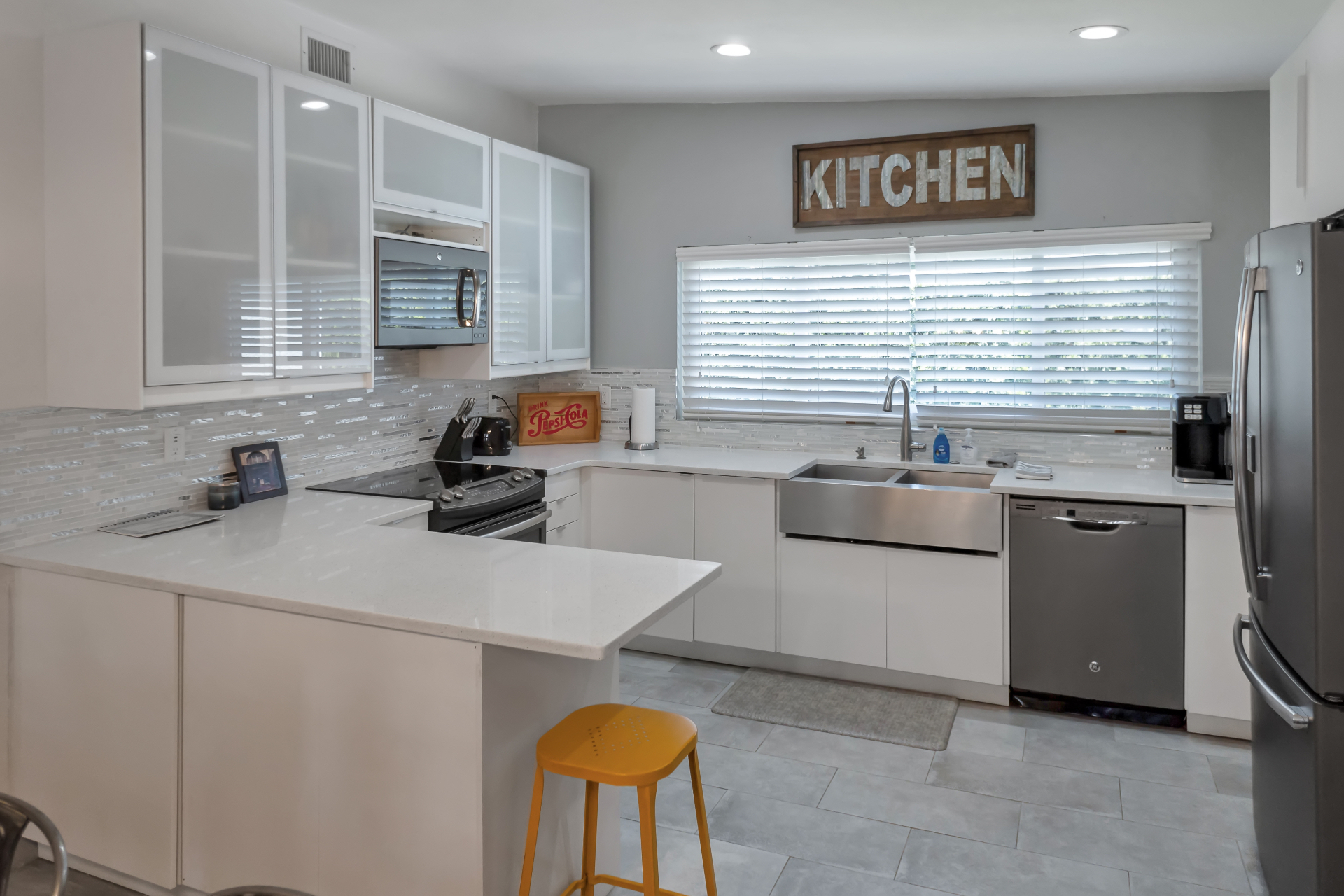
Our aides cook. Meals in this home are made in the kitchen by the same people who provide the care, and the food reflects the household: American, Caribbean, Latin American, and Asian dishes in rotation. We supplement with a meal service so that no shift is ever choosing between cooking and caring.
Therapeutic diets, texture modifications, and tube feeding schedules are built into each resident's plan and followed exactly. Nutrition is not a side concern here. More than one resident has arrived underweight after years of a mechanical problem nobody had chased down, and weight and intake are watched closely.
Residents eat together where they are able to. Sharing a table is one of the few ordinary things available to someone who has spent most of their life being cared for.
Activities are offered and they are real, but we want to be straightforward about their place. Community engagement is not the center of this home. Our center is medical stability.
That said, when a resident wants more, we build it. One of our residents came to us having barely left his previous home except to be taken to an emergency room. He now goes out regularly: community dances, holiday lights, seasonal events around Orlando. His calendar looks nothing like anyone else's here, because he asked for a life that looked like that and we expanded around him.
That is how we handle it. The baseline is a stable, safe, well cared for day inside a home that can meet a person's medical needs. If a resident wants more than that, we find out what more looks like for them.
The Home Itself
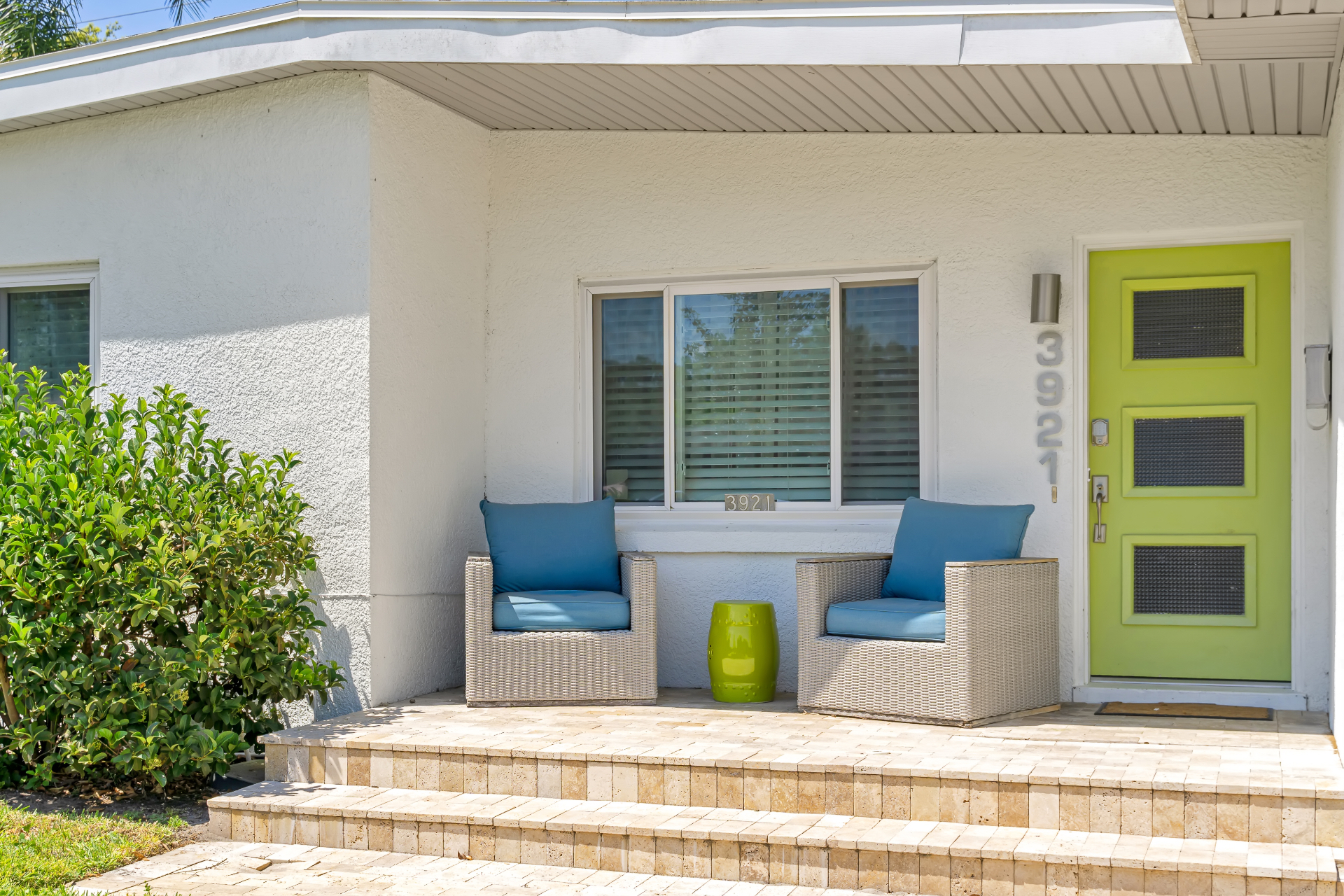
Ibis is a house on a residential street, and it reads as one. That matters more than it sounds like it does. Nobody's adult child should live somewhere that announces itself as an institution.
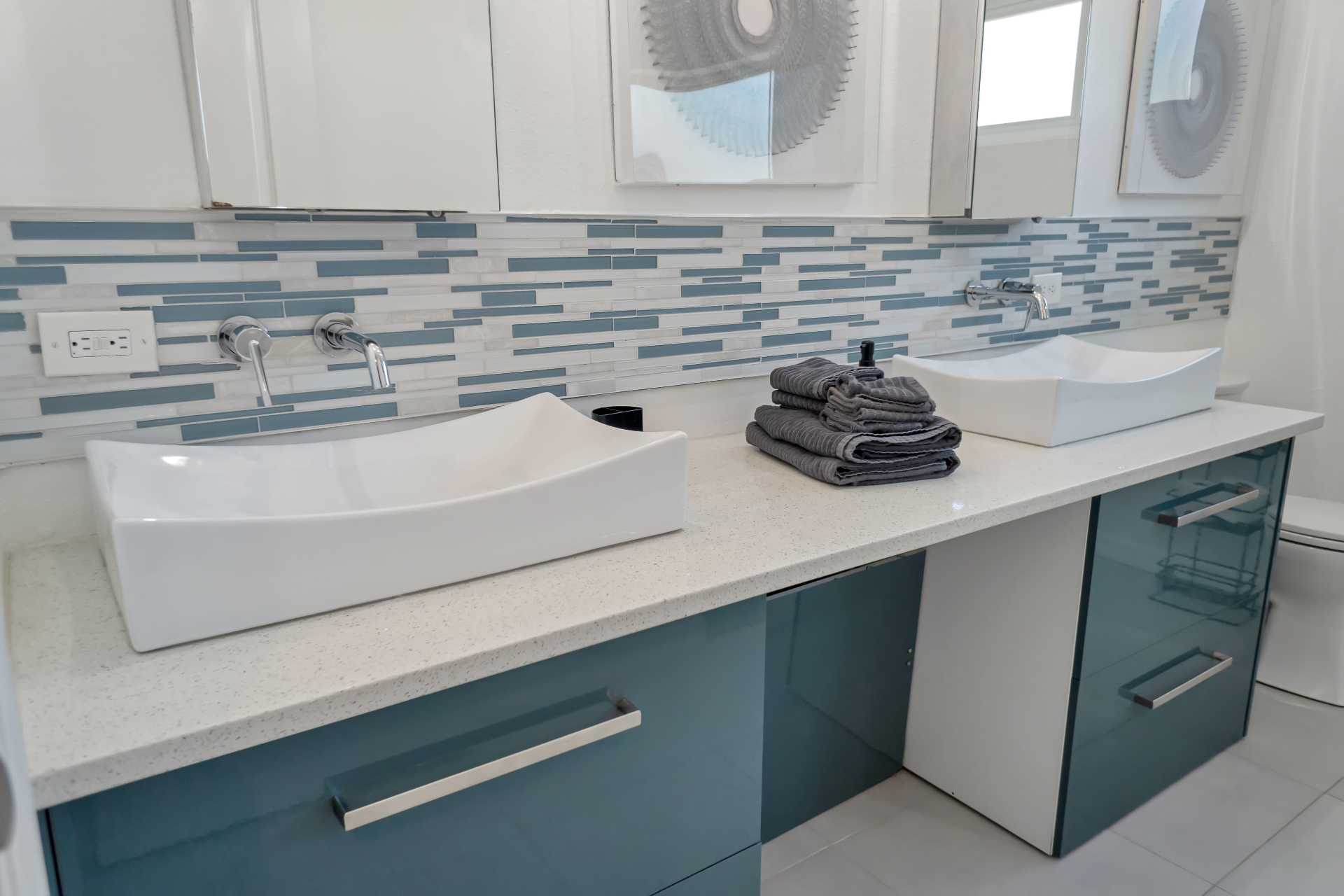
The home has three bedrooms and two full bathrooms, with rooms shared between residents. We match roommates deliberately, by temperament and compatibility rather than by whichever bed is open. Two people who suit each other make each other's days better, and two who do not make everything harder for everyone, staff included. With openings still available, we currently have unusual freedom in how we make those matches.
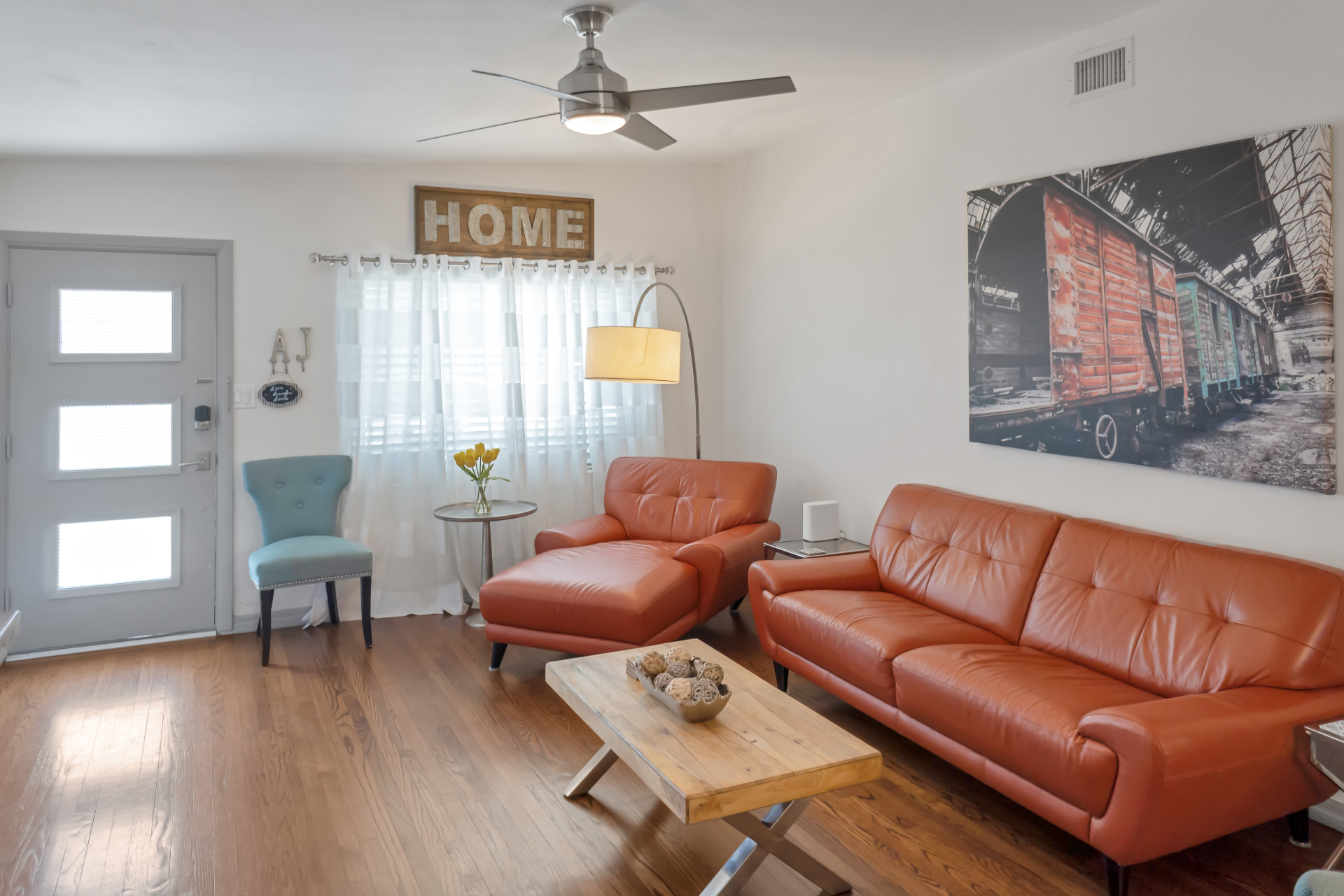
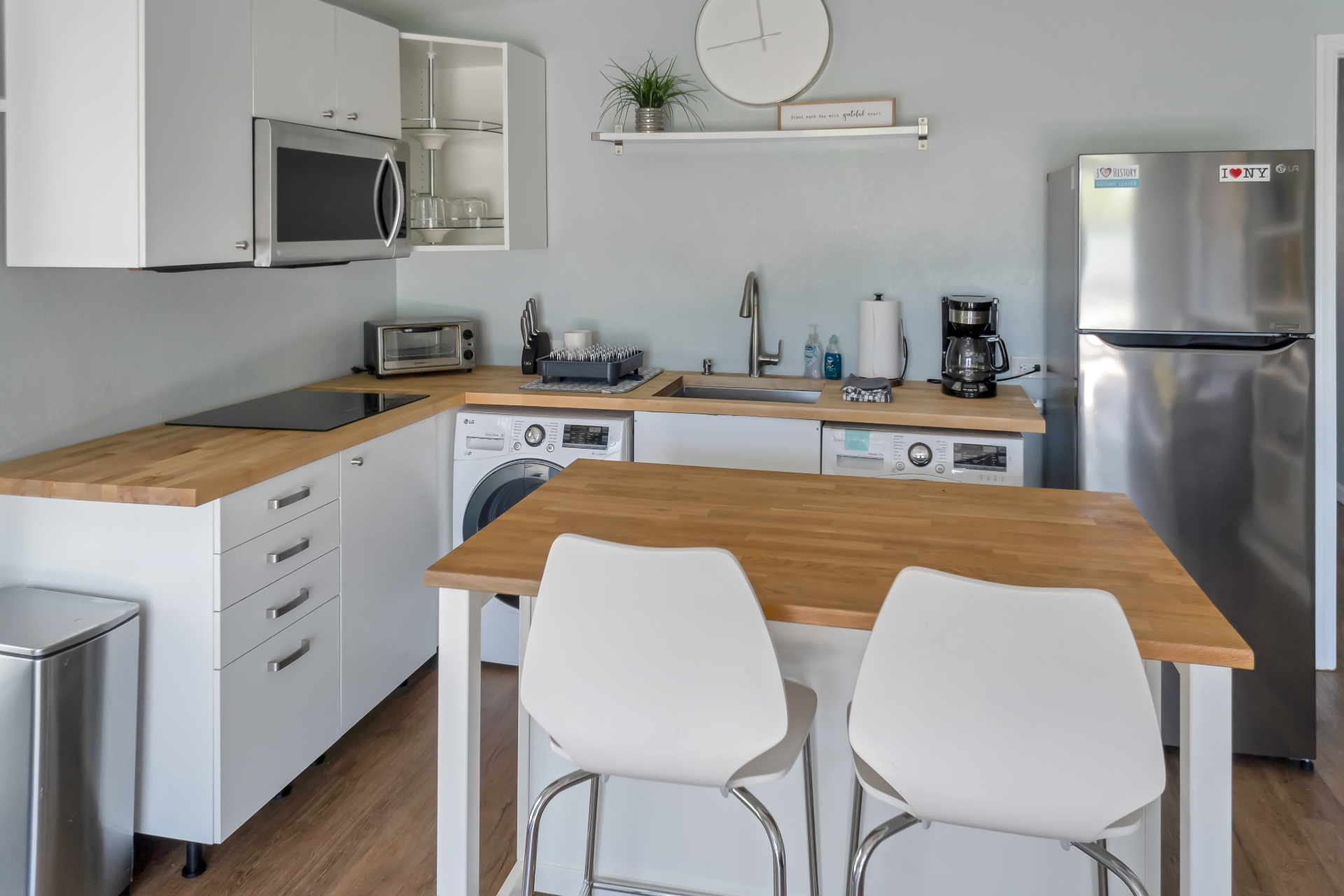
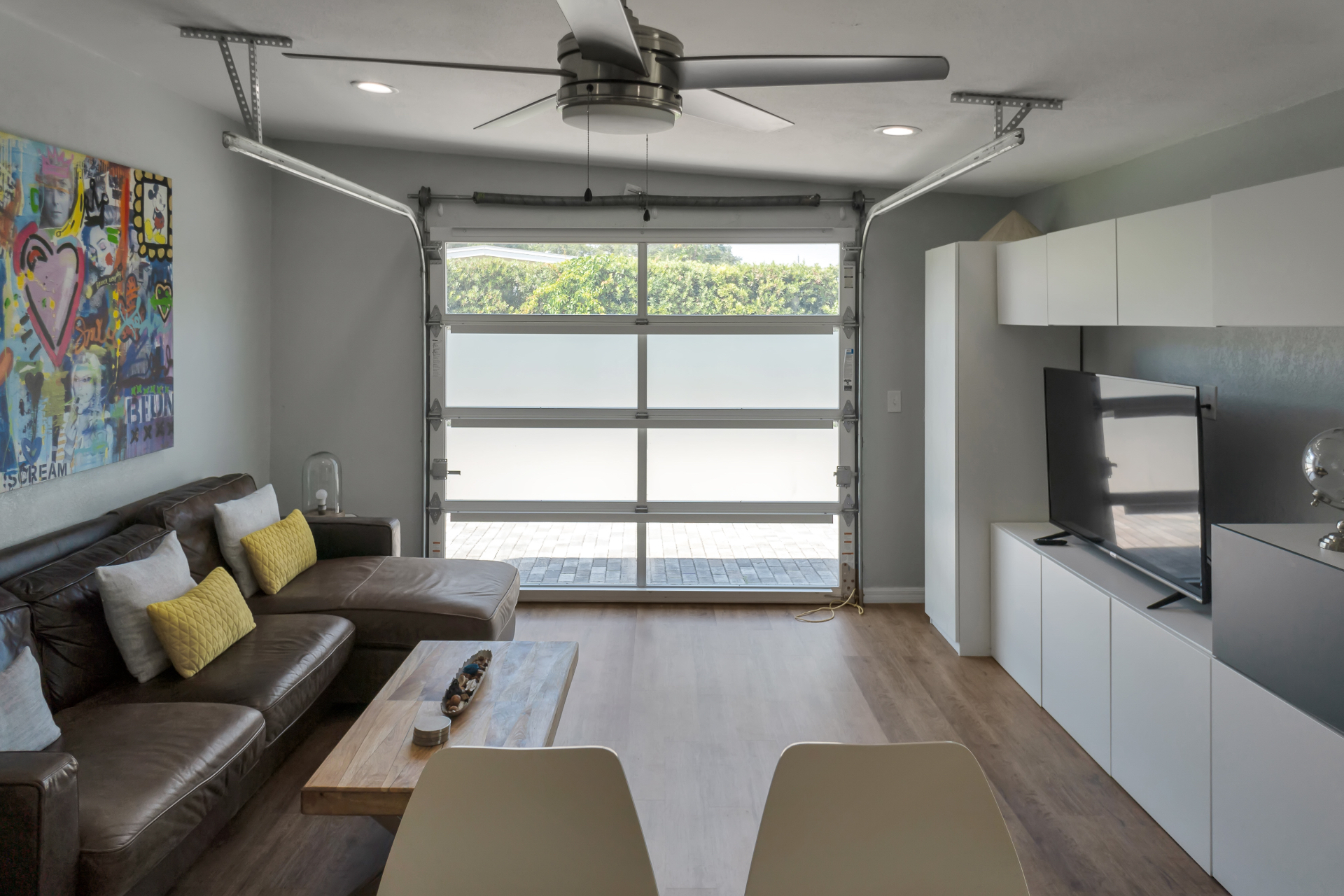
Common living areas are where the household actually spends its time, and they are arranged for people who use wheelchairs and lifts rather than adapted around furniture.
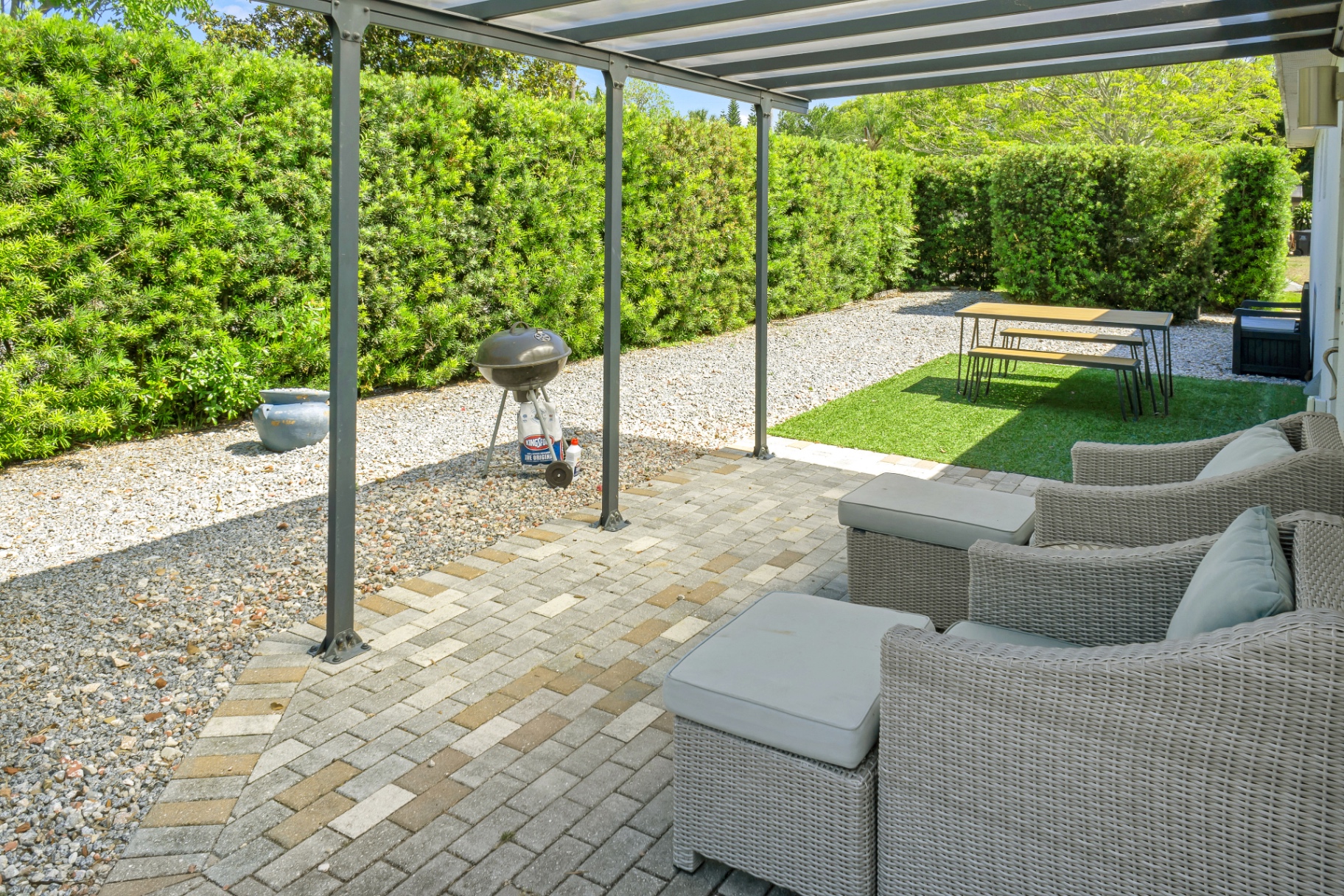
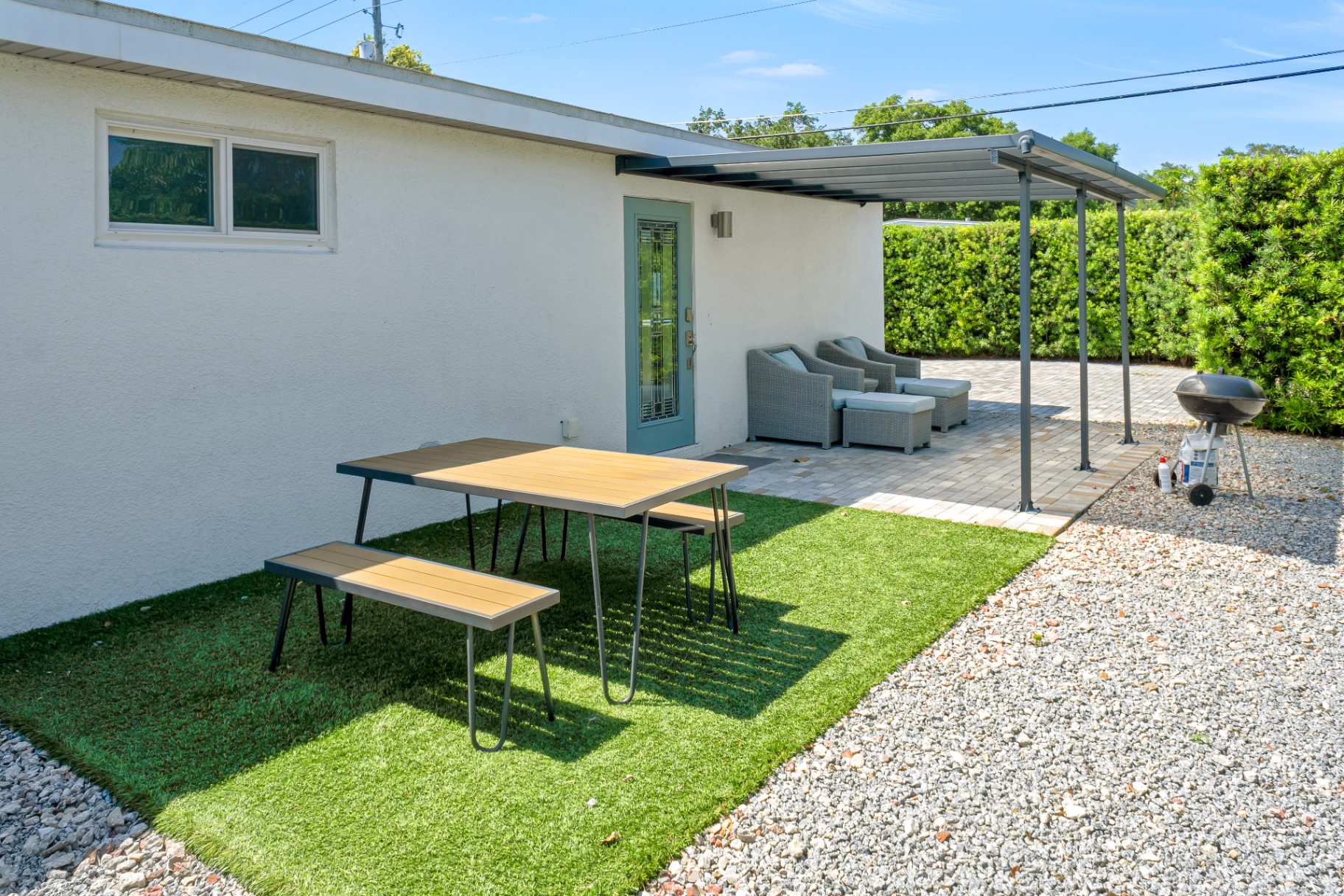
There is outdoor space, and a park nearby that residents visit with an aide.
The Garden at Ibis is licensed for six residents, which is the maximum permitted, and it is also the number we would choose if the rules let us go higher. Small is not a constraint we are working around. It is the reason the care works.
Photo Gallery

Starting a Placement Conversation
The first step is a phone call, and Antoinette, our administrator, takes it herself. There is no intake script. Most first conversations are a parent describing their situation while we ask questions.
It helps to have a few things nearby, though nothing is required for a first call. The current care plan. Recent medical records and the medication list. The most recent assessment. Funding source and current waiver status. Whatever you have is enough to start.
If it sounds like a possible fit, we arrange a tour. Come see the home, meet staff, watch how people are with each other. Bring your questions written down. Ask about staffing, about nights, about what happens when something changes. Any home worth considering will welcome all of it.
From there we complete an assessment of your loved one's needs and review the funding picture with you. If the current authorization does not cover the level of care required, that is often solvable. We have built the documentation for significant additional needs requests before and secured 24 hour nursing authorization for residents who had been told they did not qualify.
We also want to be direct about what we are doing during this period, because it goes both ways. We are getting to know your family as well as your loved one. We coordinate every part of the care ourselves, and that works best when the family and the home are aligned from day one about how we communicate and what to expect. Families who want to be closely involved are welcome, and families who need us to carry more of it are welcome too. What we ask for is partnership: come to us with questions when something falls short of what you expected, and we will always tell you what actually happened.
We accept new residents one at a time, with a minimum of thirty days between placements, so that staff can learn one person's routine and needs before another change is introduced. It is slower than families in crisis want to hear. It is also why our residents stay stable.
The Garden at Ibis currently has room for four residents. If your loved one needs a small home with nursing in place around the clock, this is the rare moment when that is available rather than waitlisted.
Call (689) 777-2892.
For Support Coordinators
The Garden at Ibis currently has capacity for four residents. Nursing coverage is already in place at full staffing.
We are best equipped for medically complex adults requiring 24 hour nursing, and we also accept residents supported through residential habilitation. We are a strong fit for clients aging out of pediatric services whose funding structure has changed and whose options have narrowed.
To assess fit quickly we need the current care plan, recent medical records and medication list, the most recent assessment, funding source and waiver status, and your target date. A member of our team will review your inquiry and reach out promptly, including a clear no when that is the answer.
Note our intake cadence: one resident at a time, with a minimum of thirty days between placements. If you are working a timeline that does not line up with ours, tell us early and we will be straight with you about whether it can work.
Full referral details are on our page for support coordinators.
Call (689) 777-2892 and ask for Antoinette Munroe.
Frequently Asked Questions
The questions families and support coordinators ask us most about The Garden at Ibis.
What kind of waiver or funding do you accept?
We serve residents through Florida's APD iBudget Waiver. If your loved one is currently enrolled in ICMC rather than the iBudget Waiver, that is common and it does not disqualify anyone. We are happy to talk through where you stand and what your options are, whether or not you end up with us.
What level of medical need can you support?
The Garden at Ibis provides 24 hour nursing care for medically complex adults, including residents who are non-ambulatory or wheelchair dependent, residents who are non-verbal, and residents with feeding tube dependence, respiratory needs, wound care, catheter care, and seizure management. If you are not sure whether your loved one's needs are a fit, call us and ask. We will tell you honestly either way.
How many residents live in each home?
Six, which is the licensed maximum and also the number we chose on purpose. Small is the whole point. It is how the same staff come to know the same residents well enough to notice when something is off before it becomes an emergency.
My adult child is aging out of their current pediatric placement. Can you help?
Yes, and this is one of the most common calls we take. When a young person turns 21 their funding structure changes and many providers stop serving them at that point, which leaves families scrambling with very little notice. We serve adults in exactly that range. If you are in that position, reach out early. Families who start looking before the deadline consistently have better options than families who start after it.
Do you have availability right now?
The Garden at Ibis currently has room for four residents. We accept new residents one at a time, with a minimum of thirty days between placements, so staff can learn each person's routine before another change is introduced.
How does a family start a conversation with you?
Call (689) 777-2892 or reach us through this site. Antoinette, our administrator, takes these calls personally. There is no intake script and no pressure. Most first conversations are just a parent describing their situation and us asking questions.
Related Articles
Ask About The Garden at Ibis
Tell us about your loved one and a member of our team will review your inquiry and reach out promptly.
🌐 Our team speaks English, Spanish, Haitian Creole, and Portuguese. We're here to help your family in the language you feel most comfortable with.
Get in Touch
Fields marked with * are required.